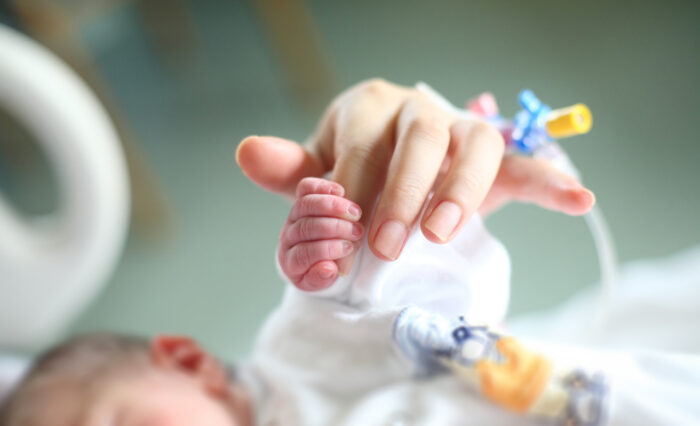


On 9 December 2025, National Maternity and Neonatal Investigation (NMNI) published its “Reflections and Initial Impressions”, an interim account by its Chair, Baroness Valerie Amos, of what the investigation has uncovered so far after speaking to families, clinical staff, community organisations and other stakeholders.
https://www.matneoinv.org.uk/news/independent-investigation-into-maternity-and-neonatal-services-in…
What the report found
Despite a decade in which some 748 recommendations have been issued to improve maternity and neonatal services in England, the NMNI finds that serious problems continue.
Key issues
- Poor communication and support: women and their partners frequently report not being listened to by clinical teams, or not being given adequate information at critical moments (for instance, when risk levels change).
- Disregard for what families say: concerns raised by parents, for example reduced fetal movement, have in some cases been ignored.
- Insufficient empathy and paternal-partner support: non-birthing partners often feel excluded; some families describe experiences of judgement, blame or lack of care when things go wrong.
- Discrimination and unequal treatment: negative experiences disproportionately affect women from minority ethnic backgrounds, working-class women, younger parents, and those with mental-health challenges.
- Poor basic standards of care: including lack of cleanliness, inadequate attention to basic needs (meals, bathroom assistance, catheter checks), and failure to follow birth plans or respect agreed choices.
- Inadequate review and accountability: families describe investigations into serious incidents as overly legalistic, adversarial, with little transparency or meaningful engagement; regulatory bodies are criticised for failing to protect vulnerable women and families, with a perception that trusts have repeatedly “marked their own homework.”
Baroness Amos states she “expected to hear experiences from families about where they had been let down, but nothing prepared me for the scale of unacceptable care that women and families have received, and continue to receive.”
Why this review matters
The NMNI aims not only to identify local failures, but to reveal system-wide patterns across NHS Trusts, and to develop national recommendations that ensure safe, consistent, compassionate maternity and neonatal care throughout England.
To do this the investigation combines:
- local investigations in selected NHS Trusts (site visits are ongoing)
- a systemic review of previous inquiries and safety reports
- a fresh “call for evidence” from families and non-birthing partners, to launch January 2026, giving survivors a platform to share experiences that may not have been addressed through complaints or litigation.
The final report and national recommendations are expected in Spring 2026.
What it means for legal redress
The persistence of serious service failures, despite hundreds of prior recommendations, underlines systemic risk in maternity and neonatal care. For families affected by avoidable harm, loss or poor treatment, this report validates many of the concerns that previously may have seemed isolated or anecdotal.
Furthermore, the critique of internal investigations, regulatory oversight and the barriers to transparency highlights structural obstacles for families seeking accountability. This context increases the significance of independent legal review in cases of clinical negligence, especially where families feel their concerns were dismissed, their birth plans ignored, or that fundamental standards of care lapsed.
Next steps and how we can help
If you or a loved one believe that care during pregnancy, birth or the neonatal period was substandard, dismissive, or harmful, particularly where there were long-term consequences, now is a pivotal time to explore your options.
We assess such cases by reviewing medical records, expert evidence, and whether the lapses align with patterns identified in the NMNI report.
Please contact us if you have concerns. We can help you understand your rights and advise on possible legal action. Call today on 0808 164 0808.