
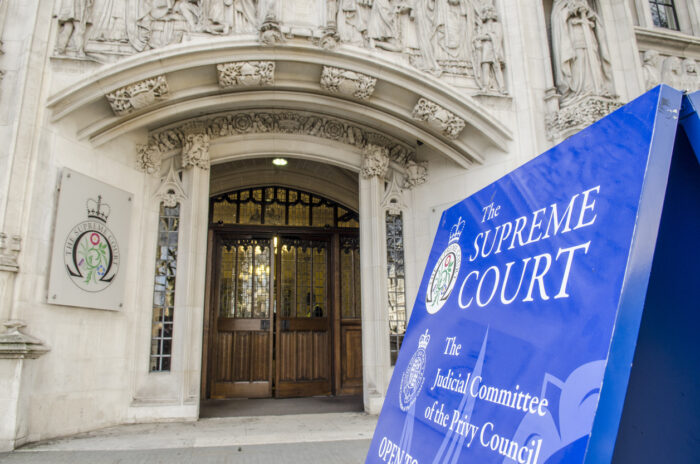

CCC v Sheffield Teaching Hospitals NHS Foundation Trust [2026] UKSC 5 (UKSC/2023/0111)
Today marks a significant development in the law surrounding compensation for severely injured children. The UK Supreme Court has released its long‑awaited judgment in the case of CCC, a young girl who suffered a severe brain injury at birth due to admitted medical negligence.
Because of the failings at the time of her birth, CCC now lives with profound disabilities and a life expectancy shortened to around 29 years. The key question for the Court was whether she should be able to claim compensation for the earnings she will miss out on during the years she is not expected to live, often called “lost years” damages.
For over 40 years, children have been unable to claim these losses because of the rule established in Croke v Wiseman (1982), which said such claims were too speculative. Today’s judgment finally revisits that long‑standing rule.
What happened in CCC’s case?
The Defendant NHS Trust accepted responsibility for the mistakes that caused CCC’s brain injury at birth. Experts agreed that if she had not been injured, she would likely have:
- Completed her education,
- Gained qualifications,
- Entered paid employment, and
- Worked until the age of 68, receiving a pension thereafter.
Her earnings up to age 29 were agreed, but what remained unresolved was whether she should receive compensation for the many working years beyond that age that she will never experience.
Because the trial judge was bound by Croke v Wiseman, he could not award these damages, the case was allowed to “leapfrog” directly to the Supreme Court to decide whether the law should change.
What the Supreme Court has clarified
The Court, by majority, has allowed the Claimant’s appeal and has held that damages should be awarded in these types of circumstances.
Today’s judgment helps answer long‑standing questions about fair compensation in cases where negligence has dramatically shortened a child’s life. It recognises that these losses are real, and that families deserve certainty when planning for the future.
For parents caring for a severely injured child, this guidance is a welcome step toward a more just and compassionate approach to compensation.
Why this judgment matters for families
This decision has the potential to reshape how compensation is calculated for children whose lives have been permanently altered by medical mistakes. It may mean:
- Fairer and fuller compensation for children with reduced life expectancy,
- More consistency between compensation awards for children and adults,
- Improved financial security for families needing long‑term care support, and
- Clearer guidance for anyone considering a medical negligence claim.
As the first reconsideration of the rule in Croke v Wiseman for over four decades, this judgment marks a major moment in personal injury and medical negligence law.
If you think you may have a claim, we can help
Cases like CCC’s highlight just how complex, and emotional, medical negligence claims can be. If you or your child has suffered a life‑changing medical injury, today’s Supreme Court decision may affect the level of compensation available to you.
Our specialist medical negligence team is experienced in supporting families through:
- Birth injury claims
- Claims involving reduced life expectancy
- Severe neurological injuries
- High‑value compensation claims requiring expert future‑loss assessment
We know how overwhelming this process can feel. Our role is to guide you with compassion and clarity, helping you understand your rights and the impact of today’s update on your individual situation. Call us free today on 0808 164 0808.
The video to watch the Supreme Court handing down its judgment can be viewed by clicking the link below: